Main page › Guides › Approval process
The approval process for a modular home, step by step
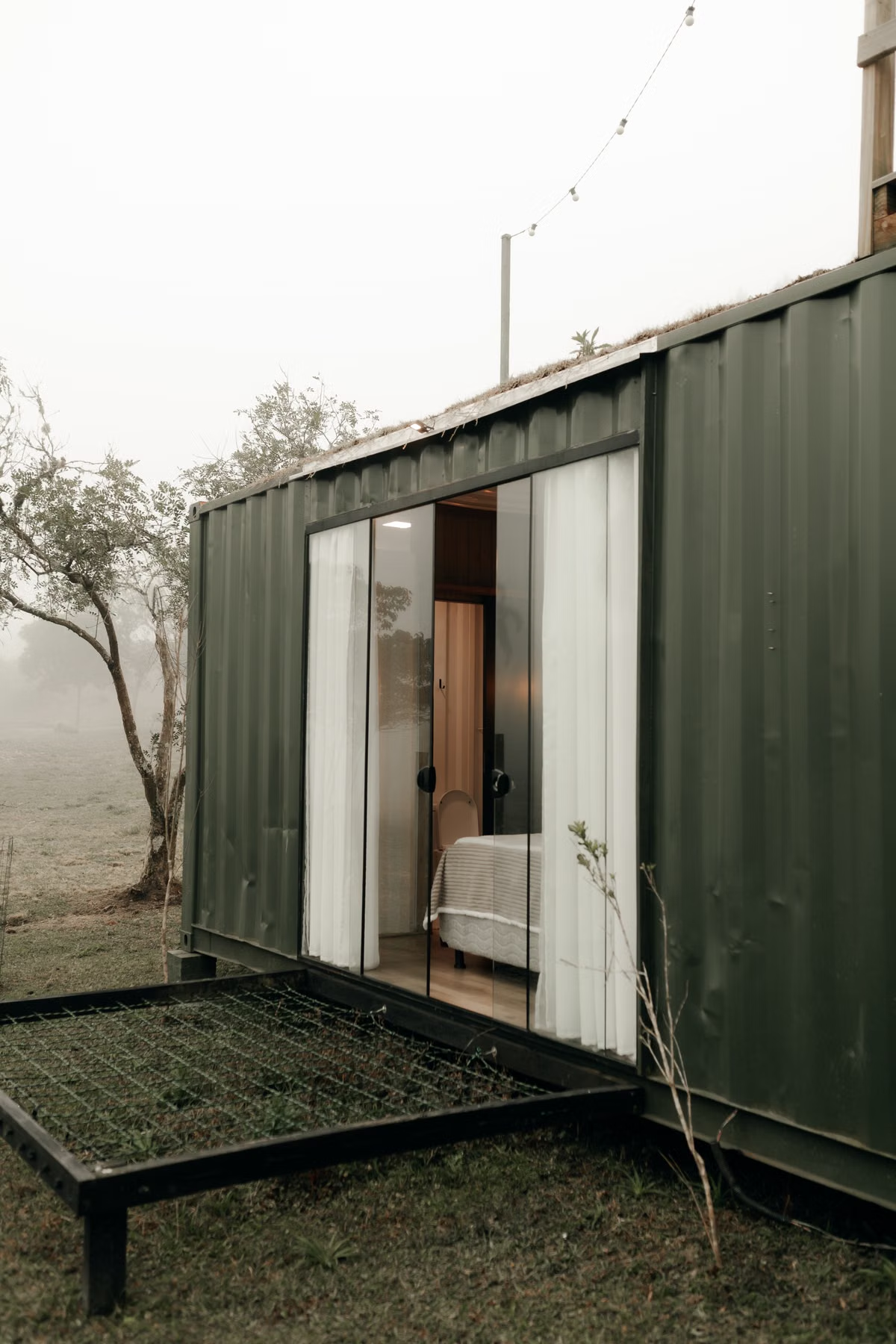 | |
| Illustrative stock image — not a depiction of any specific builder's product. | |
| Standard applies | Same NCC standards as a site-built dwelling[1] |
|---|---|
| NSW pathways | DA or CDC[2] |
| CDC timeframe | As little as 20 days in NSW[3] |
| CDC excluded where | Heritage, flood control, BAL-40 or Flame Zone[4] |
| Also required | Construction certificate, plumbing, electrical, occupation certificate[4] |
| Typical council timeline | Reported two to four months for full approval[5] |
A common misconception is that a factory-built home avoids council. It does not. A modular home must meet the same technical standards as any site-built dwelling under the National Construction Code, and in most states is classed as a Class 1a building — a permanent dwelling requiring full development approval with engineering and compliance documentation.[1][5]
What off-site construction changes is where the work happens, not whether it is regulated.
The two stages §
Planning approval asks whether the dwelling is permitted on that land, and assesses overlays such as bushfire, flooding, heritage and coastal.[1]
Building approval and certification confirms compliance with the NCC and relevant Australian Standards — structure, energy efficiency, fire, health and amenity.[1]
The NSW sequence §
| Step | What it does |
|---|---|
| DA or CDC | Planning approval. A DA is assessed by council against the Local Environmental Plan and Development Control Plan; a CDC is assessed by a private certifier against state-wide criteria[2][4] |
| Construction Certificate | Confirms detailed drawings comply with the NCC. Construction cannot start without it[4] |
| Plumbing and drainage approval | A separate permit in most states[4] |
| Electrical inspection | Certified separately by a licensed electrician[4] |
| Installation inspections | Footings, connections, tie-downs and services during installation[1] |
| Occupation Certificate | Final sign-off. Required before you can legally move in[4] |
When CDC is available — and when it is not §
The complying development pathway is faster: the NSW Department of Planning states that complying development approvals can be issued in as little as 20 days, against an average of 70 days for a development application,[3] and it skips public notification.[6] But it is all-or-nothing: one non-compliance and the proposal reverts to a DA.[6]
CDC cannot be used where a site is heritage-listed, in a flood control area, or in BAL-40 or Flame Zone bushfire risk areas.[4]
Pre-certified designs can speed this up considerably, and often qualify for fast-track CDC approval in NSW.[7] If timeline matters, asking a builder whether their designs are pre-certified is a useful question.
How other states differ §
- Queensland — often uses private certifiers for faster approval timelines.[7]
- Victoria — councils handle most permits and usually require extra energy assessments; building permits go via a registered building surveyor, with mandatory domestic building insurance above certain thresholds.[4][7]
- South Australia and Western Australia — projects may need separate planning and building consents.[7]
CDC terminology is specific to NSW; other states use different names for fast-tracked approvals.[6]
How long it takes §
Published guidance reports full council approval usually taking two to four months depending on the council, where a fast-track pathway is not available.[5] That sits alongside the factory build rather than after it — approval and manufacturing can often overlap, which is part of why total timelines compress.
Practical points §
- Check bushfire and flood overlays on the planning portal early — they determine which pathway is available.[4]
- Ask whether the builder's designs are pre-certified.[7]
- Clarify who lodges what: many builders manage approvals, but the obligations remain the owner's.
- Do not commit to a delivery date before the approval pathway is confirmed.
Related: the NSW Building Bill 2026, which changes this process from 2027.
Sent to info@modularlivingaustralia.com.au and handled by a person. See Privacy.
References §
- Tiny Home Quotes — Are modular homes legal in Australia — a modular home must meet the same technical standards as any site-built dwelling under the National Construction Code, including structural performance for local wind, snow and earthquake loads, with design commonly referencing AS 1170, AS 1684 and AS 4055; the process involves planning or zoning approval, building approval and certification, inspections of footings, connections, tie-downs and services during installation, and an occupation certificate before moving in. tinyhomequotes.com.au/modular-homes/are-modular-homes-legal-in-australia/
- Modscape — Permits for prefabricated homes — in New South Wales the planning permit is a Development Application; a fast-track Complying Development Certificate can be determined by a council or accredited certifier without a full development application where the proposal complies with state-wide criteria such as floor size, building heights, site coverage controls and block size; DA requirements vary between councils. modscape.com.au/permits-prefabricated-homes/
- NSW Department of Planning, Housing and Infrastructure — Complying development — fast-tracked complying development approvals can be issued in as little as 20 days; pattern book complying developments take 10 days; the average determination time for a development application is 70 days; complying development can be determined by a council or an accredited certifier. Checked 8 October 2026. planning.nsw.gov.au/assess-and-regulate/development-assessment/planning-approval-pathways/complying-development
- Comfy Container Homes — Modular home buying guide 2026 — approval sequence including Development Application, Complying Development Certificate, Construction Certificate confirming drawings comply with the NCC, separate plumbing and drainage approval in most states, electrical inspection, and Occupation Certificate as final sign-off; CDC cannot be used where a site is heritage-listed, in a flood control area, or in BAL-40 or Flame Zone bushfire risk areas; Victoria requires building permits via a registered building surveyor and mandatory domestic building insurance above certain thresholds. comfycontainerhomesvic.com.au/blogs/news/how-to-buy-a-modular-home-in-australia-the-complete-step-by-step-guide-2026
- Mr Cabins — Modular home council approval — in most states a modular home is classed as a Class 1a building, meaning a permanent dwelling requiring full development approval with engineering and compliance documentation; approval requires submitting plans, reports and compliance documents, usually taking two to four months depending on the council. mrcabins.com.au/council-approval/
- Co-Architecture — Building approvals in Australia — a Development Application is a formal request to a council for permission to carry out development; CDCs are specific to NSW with other states using different terminology for fast-tracked approvals; CDC approval skips public notification and is unavailable if any single rule is not met. site.co-architecture.com/advice/building-approvals-in-australia-da-cdc-council-explained-2025/
- Lunar Nest — Prefab home regulations Australia — all prefab and modular homes must comply with the National Construction Code and local council requirements; pre-certified designs can speed up approval and often qualify for fast-track CDC approval in NSW; Queensland often uses private certifiers for faster timelines; Victoria councils handle most permits and usually require extra energy assessments; SA and WA projects may need separate planning and building consents. lunarnest.com.au/prefab-home-regulations-australia/
Figures are as published by the sources above at their respective dates and are paraphrased summaries, not verbatim reproductions. Verify current pricing and rules directly with builders, lenders and planning authorities.