Main page › Tiny homes
Tiny homes
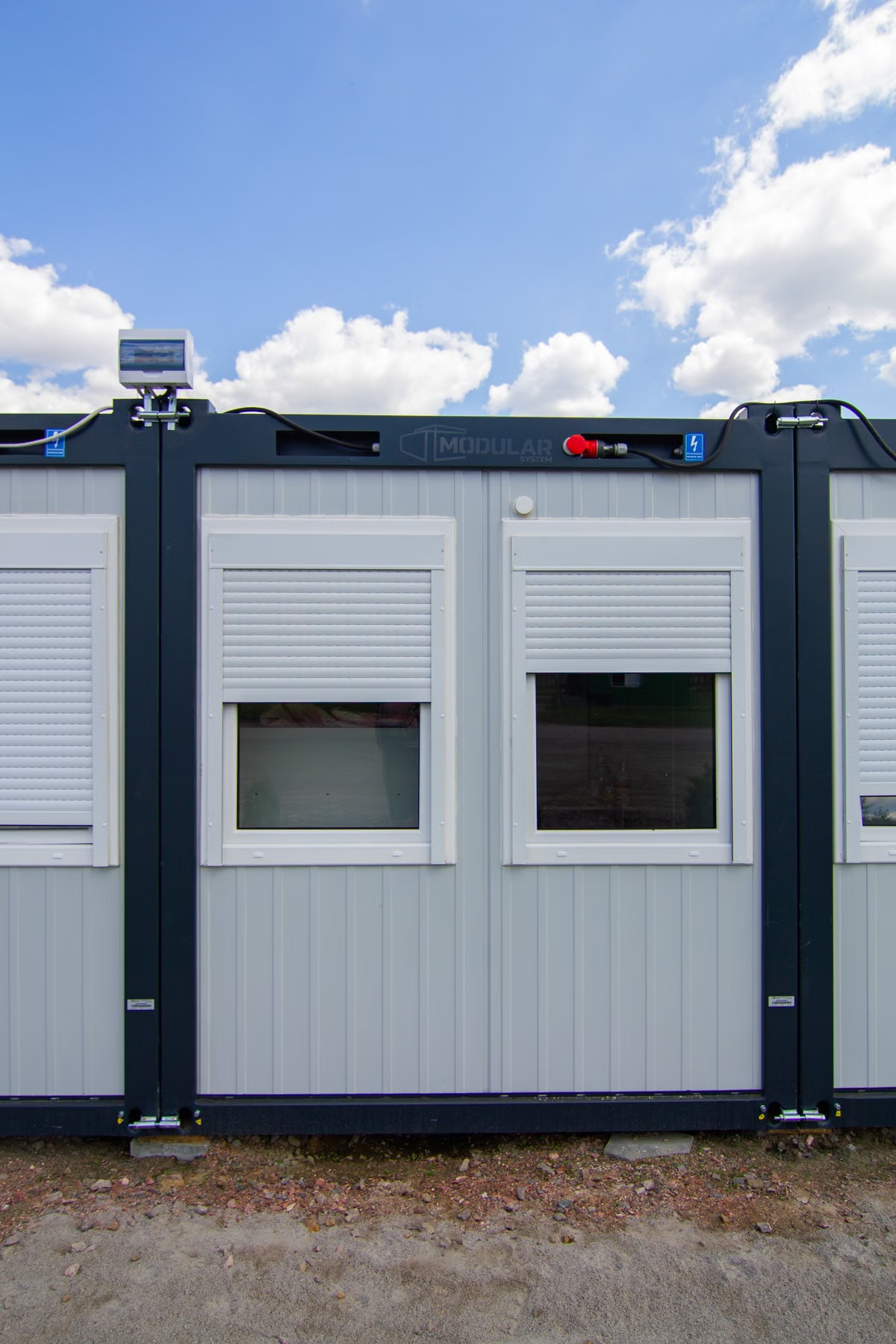 | |
| Illustrative stock image — not a depiction of any specific builder's product. |
Tiny homes in Australia are typically between 15 and 55 m², and fall into two quite different legal categories. A tiny home on a fixed foundation is a dwelling, and is regulated like one. A tiny home on wheels may be treated as a vehicle or a caravan, which changes almost everything about how it is approved, insured and financed.
For wheeled versions, road limits matter: to travel without special permits a unit generally needs to stay within about 4.3 m in height, 2.5 m in width and roughly 9 m in length. Those dimensions shape the entire design.
Finance is the other significant difference. Because a tiny home on wheels is often not classed as real property, it may not qualify for a standard mortgage, and buyers frequently use personal or vehicle-style lending instead — usually at higher rates and over shorter terms.
Key considerations
- Fixed versus wheeled changes the legal classification entirely
- Road limits of roughly 4.3 m high, 2.5 m wide and 9 m long apply to wheeled units
- Standard mortgages often do not apply; personal or vehicle finance is common
- Where you can legally live in one long-term varies by council
Guides in this category
- Container home costs 27 Oct 2026
- Tiny home on wheels running costs 27 Oct 2026
- Negative gearing to be limited to new builds from July 2027 12 Oct 2026
- How to get a tiny home, step by step 8 Oct 2026
- Tiny home rules by state 2 Oct 2026
- The federal battery discount, a granny flat and a factory-built home 9 Sep 2026
- Council rates and land tax after you add a second dwelling 9 Sep 2026
- Short-stay letting a granny flat or tiny home 4 Sep 2026
- GST on tiny homes, modules and transportable buildings 9 Aug 2026
- Off-grid power, water and wastewater for tiny homes 31 Jul 2026
- Tiny home costs and what actually varies by state 31 Jul 2026
- Financing a tiny home in Australia 31 Jul 2026
- Insuring a tiny home in Australia 31 Jul 2026
- Granny flat or tiny home — which is right for you? 26 Jul 2026
- Tiny home rules in the ACT and the Northern Territory 25 Jul 2026
- Tiny home rules in South Australia 25 Jul 2026
- Tiny home rules in Tasmania 25 Jul 2026
- Tiny home rules in Western Australia 25 Jul 2026
- Tiny homes in Australia — sizes, road limits and costs 20 Jul 2026
- Can you live in a tiny house full time in Australia? 17 Jul 2026
- Tiny home rules in New South Wales 16 Jul 2026
- Tiny home rules in Queensland 16 Jul 2026
- Tiny home rules in Victoria 16 Jul 2026
- Tiny house on wheels or fixed foundation — which should you choose? 16 Jul 2026
Related categories
- Modular homes — Homes built as three-dimensional modules in a factory, transported and assembled on site as permanent dwellings.
- Prefabricated homes — Walls, floors and roof elements manufactured flat in a factory, then assembled on site.
- Granny flats — Self-contained secondary dwellings on the same lot as a principal home.
- Transportable homes — Factory-built homes engineered so they can be relocated after installation.
- Materials & construction — What off-site homes are built from — steel, timber, panels, concrete — and how the method shapes the result.
- Costs & planning — Prices, site works, approvals and the pathways that apply in each state.
- Buying guides — Comparing builders, reading contracts, and what to check before signing.
- Finance — How lenders treat off-site construction and how progress payments differ.
- Rural builds — Remote sites, access constraints and why off-site construction suits difficult blocks.
- Industry trends — Policy, funding, market size and how Australia compares internationally.
- Updates — Regulatory, policy and market changes affecting prefabricated and modular housing in Australia, and who they bear on.
- Tools — Interactive checklists and lookup tools for planning a modular, prefab or secondary dwelling build.
Sent to info@modularlivingaustralia.com.au and handled by a person. See Privacy.