Main page › Guides › Transportable homes
Transportable and relocatable homes in Australia
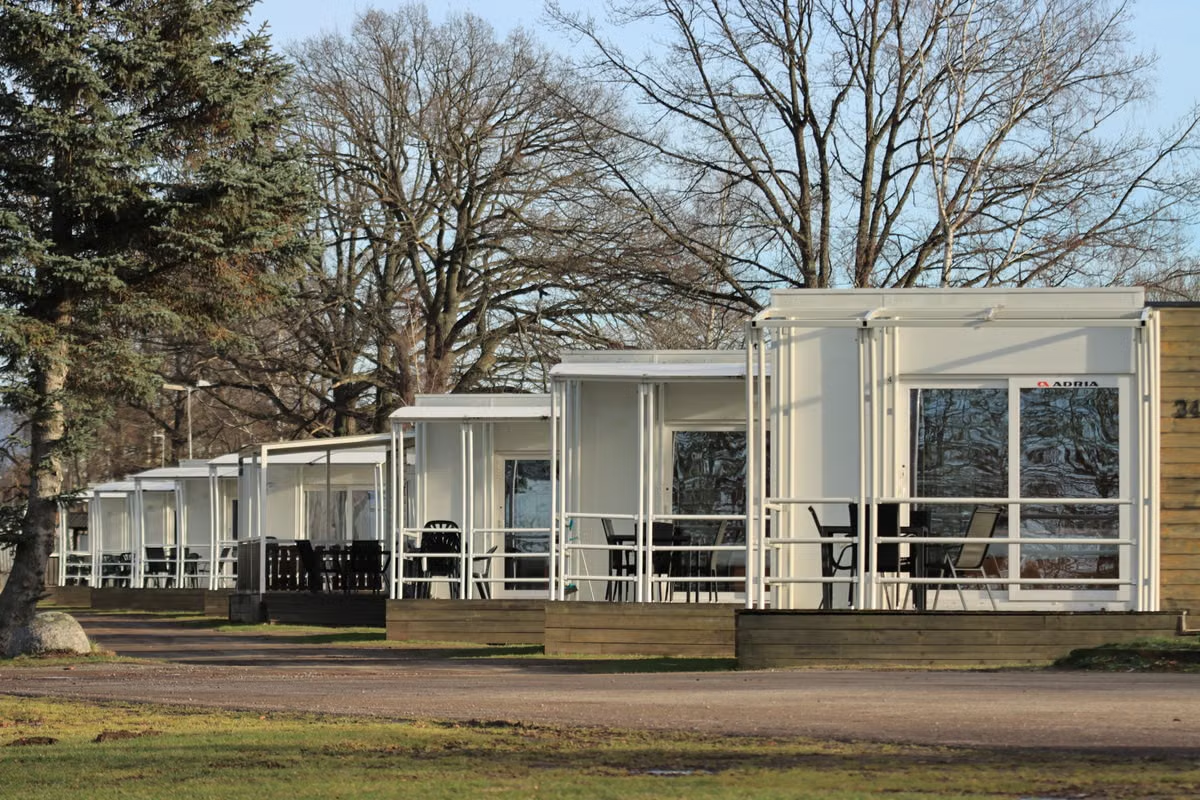 | |
| Illustrative stock image — not a depiction of any specific builder's product. | |
| Defining feature | Engineered to be relocated after installation |
|---|---|
| Versus modular | Modular homes are assembled once and stay[1] |
| Published base price | from ≈ A$168,300 (VIC)[2] |
| Typically excludes | Site works, connections, transport beyond a radius[3] |
| Common uses | Leased land, resources regions, uncertain long-term plans |
A transportable or relocatable home is a factory-built dwelling engineered so that it can be moved again after installation. That single design decision is what separates it from a modular home, which is assembled once and is not designed to be relocated.[1]
What the engineering difference means §
A structure that must survive being jacked up, loaded onto a truck and transported is built differently from one that will sit on foundations permanently. Chassis or bearer arrangements, structural bracing, and the way services are connected all have to accommodate movement.
That engineering has a cost, and it is the reason transportable homes are not simply a cheaper category. What you are buying is optionality — the ability to move the dwelling later — and like any option it is paid for up front.
Who they suit §
- Leased or share-farmed land — where you do not own the ground the house sits on
- Mining and resources regions — where the economic life of a location may be defined
- Uncertain long-term plans — where a block may be sold, subdivided or repurposed
- Staged development — a dwelling that serves one purpose now and can be moved when a permanent home is built
- Rural properties — worker accommodation, or housing that follows a changing farm plan
If none of those apply and the home will stay where it is put, a modular home is usually the more direct comparison, because you are not paying for relocatability you will not use.
Published pricing §
Victorian builder Todd Devine Homes lists transportable base pricing from A$168,300.[2] As with all off-site construction, the base figure describes the structure. Budget separately for:
- Soil testing, engineering and foundations or piers
- Site clearing and levelling
- Transport beyond the builder's included radius[3]
- Crane hire where a lift is required — roughly A$260 to A$1,530 per hour[3]
- Service connections, or off-grid systems where services are unavailable
- Approvals and certification
- Stairs, decks, skirting and external works
Approval still applies §
Relocatability does not exempt a dwelling from regulation. A transportable home installed as a permanent residence must comply with the National Construction Code and with the planning rules for the site.[4] Requirements can differ depending on whether the installation is treated as permanent or temporary, which is worth clarifying with the council before purchase.
The cost of actually relocating §
The option is only valuable if exercised, and exercising it is not free. A future move involves disconnection, transport, a crane at both ends, new foundations, new service connections, and approval at the destination. It also depends on the second site being physically accessible for the same equipment.
A realistic assessment treats relocation as a significant project in its own right rather than as a simple move.
Questions before buying §
- Will this home realistically be relocated, or am I paying for an option I will not use?
- What does the base price include, and what is the transport radius?[3]
- How will the council classify the installation — permanent or temporary?
- Can a crane and transport reach both the current and any likely future site?
- How do lenders and insurers treat a relocatable dwelling on this land tenure?
Sent to info@modularlivingaustralia.com.au and handled by a person. See Privacy.
References §
- Wright Choice Homes — Modular home overview — modular homes are transported and assembled on site as permanent dwellings and are not designed to be moved again, in contrast with relocatable dwellings. wrightchoicehomes.com.au/blog/how-much-do-modular-homes-cost/
- Todd Devine Homes — Victorian transportable homes price list — base pricing from A$168,300. Builder-published commercial guidance. todddevine.com.au/transportable-homes/
- Built by Modify — 2026 modular cost guide — site works, transport, crane hire and connections quoted separately from the base price; transport and installation sometimes included only within a set radius of the factory; crane hire roughly A$260–$1,530 per hour. builtbymodify.com.au/blogs/modular-home-cost
- Granny Flat Guide — Regulations overview — the National Construction Code sets the national baseline for building work, with state and council planning instruments applying on top. grannyflatguide.com/regulations/
Figures are as published by the sources above at their respective dates and are paraphrased summaries, not verbatim reproductions. Verify current pricing and rules directly with builders, lenders and planning authorities.