Main page › Guides › VIC granny flat rules
Granny flat rules in Victoria
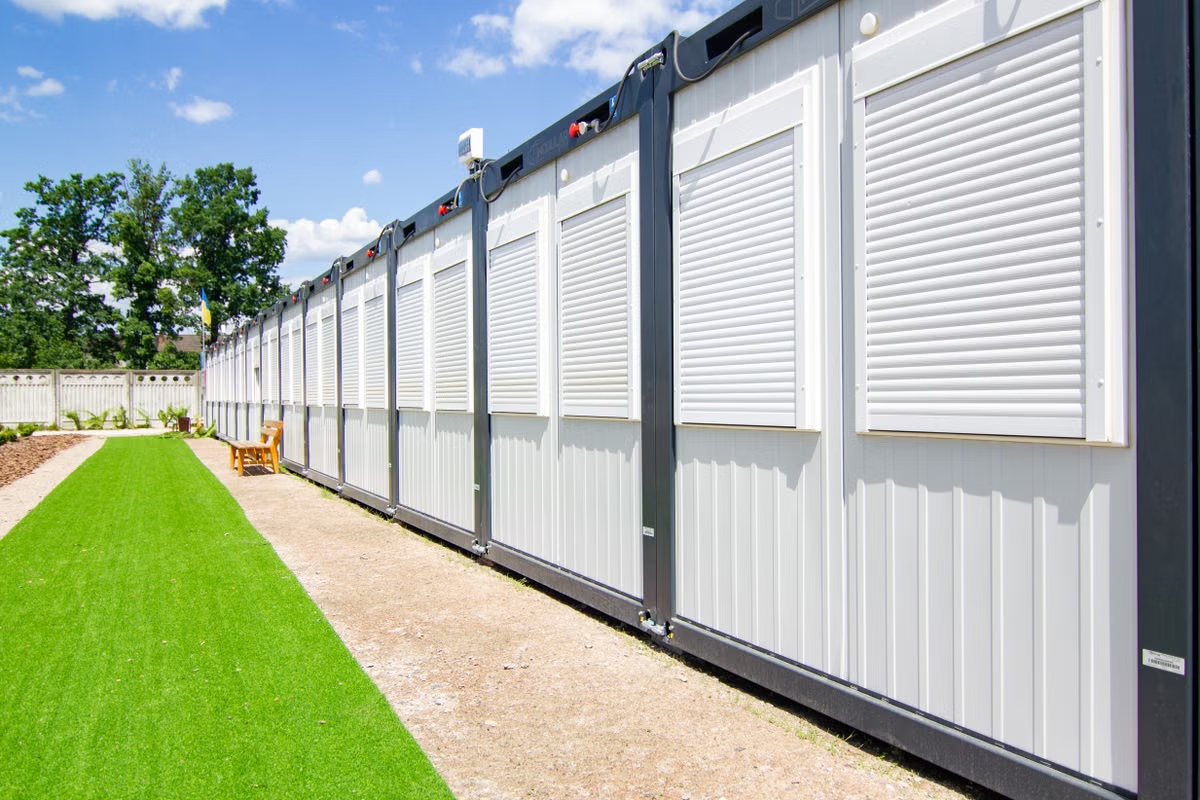 | |
| Illustrative stock image — not a depiction of any specific builder's product. | |
| Size threshold | Up to 60 m²[1] |
|---|---|
| Planning permit | Not required in many residential zones[1] |
| Building permit | Still required |
| Building standard | National Construction Code[1] |
| Compared with NSW | Exemption rather than a fast-track certificate |
Victoria permits small second dwellings of up to 60 m² without a planning permit in many residential zones.[1] That is a meaningful simplification, but it is frequently misread, so it is worth being precise about what it does and does not remove.
What the exemption removes §
A planning permit is the discretionary assessment — the process in which a council considers whether a proposed use and development is appropriate for the site, and in which neighbours may have notification rights.
Where a small second dwelling of up to 60 m² falls within the exemption, that assessment does not apply.[1] The practical benefits are time and certainty: no discretionary decision, no notification period, no appeal pathway.
What it does not remove §
- Building permit. A separate process, assessing compliance with construction standards. Always required.
- National Construction Code compliance. The national baseline for structure, fire, energy efficiency and accessibility.[1]
- Zone applicability. The exemption applies in many residential zones, not all zones. Confirm yours.
- Overlays. Bushfire, heritage, flood and environmental overlays can reintroduce a permit requirement.
The distinction between planning permit and building permit is the single most common source of confusion in Victoria. "No permit required" in a marketing brochure usually refers only to the planning permit.
Gas connection rules for new homes and small second dwellings, and what they mean for the cooktop, are covered in kitchens in modular homes. Decks and other outdoor structures are covered in gardens and outdoor space with a modular home.
How Victoria compares §
| State | Threshold | Mechanism |
|---|---|---|
| Victoria | 60 m² | Planning permit exemption in many residential zones[1] |
| New South Wales | 60 m² | Complying Development Certificate — a fast-track approval, not an exemption[1] |
| Queensland | ≈ 80 m² | Set by local planning schemes[1] |
The Victorian and NSW thresholds are the same number but different mechanisms. NSW issues a certificate against fixed standards; Victoria exempts the proposal from planning assessment altogether where it qualifies.
Practical sequence §
- Confirm your zone and whether the exemption applies there.
- Check for overlays that could reintroduce a permit requirement.
- Confirm how the 60 m² is measured for your design.
- Budget and plan for the building permit regardless.
- Then compare designs and builders.
Comparison with other states: granny flat rules by state.
Sent to info@modularlivingaustralia.com.au and handled by a person. See Privacy.
References §
- Granny Flat Guide — Granny flat regulations 2026 — Victoria permits small second dwellings up to 60 m² without a planning permit in many residential zones; the National Construction Code applies nationally with state and council planning instruments on top; NSW applies a 60 m² cap and Queensland councils commonly allow about 80 m². grannyflatguide.com/regulations/
- Fundd — Granny flat rules Australia 2026 — comparison of state planning terminology and thresholds for secondary dwellings across Australian jurisdictions. fundd.com.au/granny-flat-rules-australia-in-2026/
- Buildana — Secondary dwelling definition — self-contained with its own entrance, kitchen, bathroom and living area, on the same lot as the principal home. buildana.com.au/guides/granny-flat-nsw
Figures are as published by the sources above at their respective dates and are paraphrased summaries, not verbatim reproductions. Verify current pricing and rules directly with builders, lenders and planning authorities.