Main page › Guides › NSW tiny home rules
Tiny home rules in New South Wales
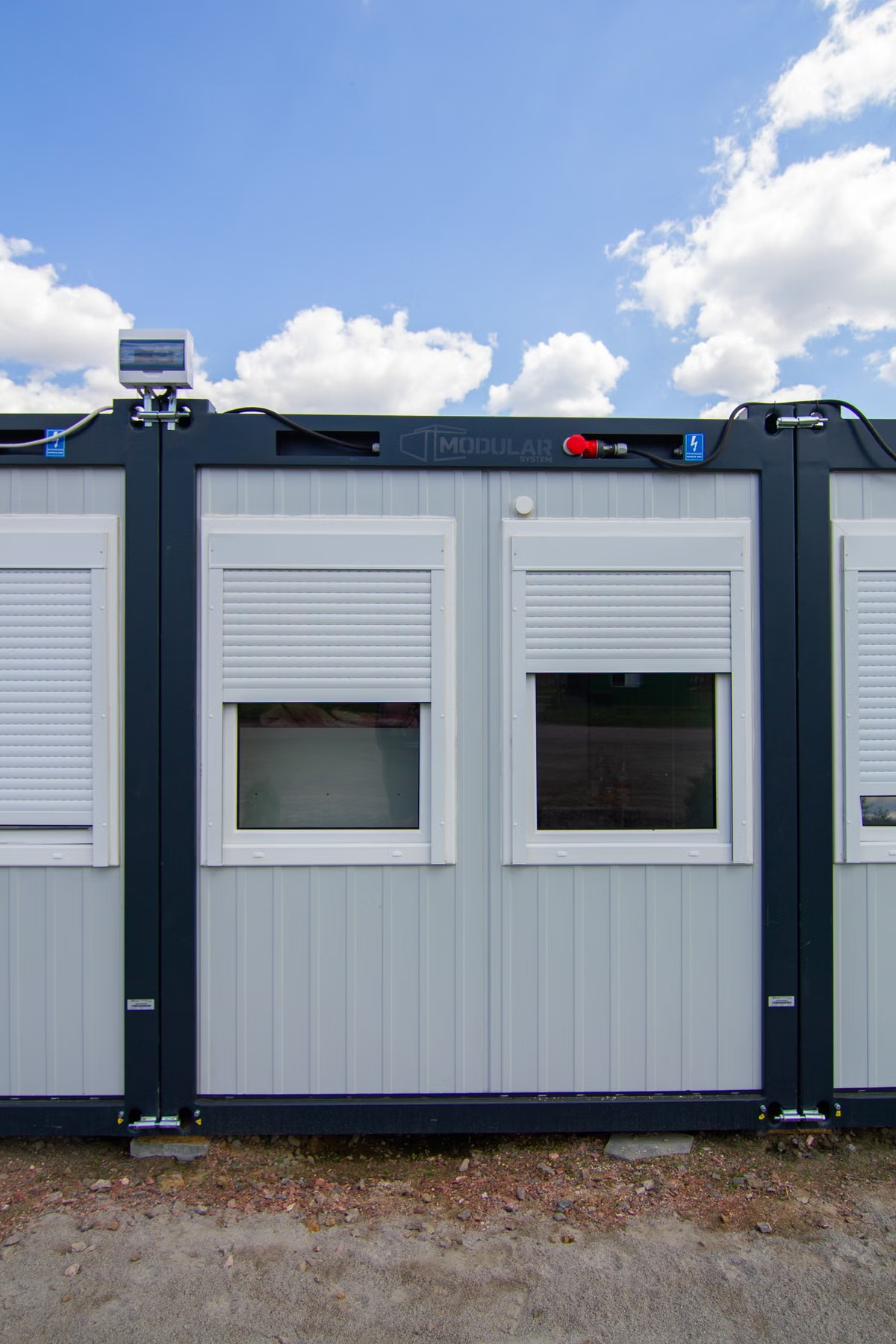 | |
| Illustrative stock image — not a depiction of any specific builder's product. | |
| On wheels, household use | One caravan on land with a dwelling house, occupied by the owner or household members[1] |
|---|---|
| Guest stays | Up to 2 days at a time, 60 days in any 12 months[1] |
| Water or sewer connection | Section 68 approval from council[2] |
| Fixed, fast-track | 60 m² on lots of at least 450 m²[3] |
| Energy | BASIX; thermal standard raised to 7 stars from 1 Oct 2023[4] |
In New South Wales a tiny home on wheels that can be registered as a trailer is treated as a caravan: one can be kept on land with a dwelling house without council approval if it is occupied by the owner of the house or members of the household, although connecting it to water or sewer needs section 68 approval.[1][2] A tiny home fixed to the ground can be fast-tracked as a secondary dwelling of up to 60 m² on a lot of at least 450 m².[3]
Tiny homes on wheels §
A tiny home that can be registered as a trailer is treated as a caravan, a type of moveable dwelling, rather than as a building.[2] The NSW Local Government Regulation allows one caravan on land that has a dwelling house without council approval, provided it is occupied by the owner of the house or members of the household and kept in a safe condition.[1] The exemption applies only where there is already an approved dwelling on the lot.[2]
For visitors, the regulation allows up to two caravans, campervans or tents on any land with the owner's permission, for no more than two days at a time and 60 days in total in any 12-month period.[1] The practical reading is that the exemption supports household use, not letting.
The plumbing trap
Connecting a tiny home on wheels to fixed water supply or wastewater points is plumbing work that needs council approval under section 68 of the Local Government Act 1993.[2] A decision that feels like a plumbing detail can therefore turn an exempt arrangement into one that needs an application. For how the line between a moveable dwelling and a building is drawn more generally, see tiny house on wheels versus fixed.
Fixed tiny homes §
A tiny home on foundations is a building and needs approval, through either a development application or a complying development certificate.[2] It is normally assessed as a secondary dwelling under State Environmental Planning Policy (Housing) 2021.[3]
The fast-track pathway is available where the dwelling is no more than 60 m² in floor area and sits on a lot of at least 450 m² with a single existing home.[3] A complying development certificate can be issued in as little as 20 days.[5] A proposal that does not meet the standards goes to a development application with council.[3] See granny flat rules in NSW for that pathway in detail.
Energy requirements §
New homes in NSW need a BASIX certificate. From 1 October 2023 the thermal performance standard rose from an average of 5.5–6 stars to 7 stars under NatHERS, with some exceptions by building type and climate zone.[4] For a very small dwelling, thermal performance can be proportionally demanding, because the ratio of external surface to internal floor area is high. Raise it with a designer early.
Summary §
| On wheels | Fixed | |
|---|---|---|
| Classification | Caravan / moveable dwelling[2] | Secondary dwelling[3] |
| Approval | None, if the household exemption applies[1] | CDC or DA[2] |
| Occupant | Owner or household members[1] | Not restricted by the sources compiled here |
| Services | Fixed plumbing connection needs section 68 approval[2] | Connected as part of the approved build |
| Energy | — | BASIX certificate[4] |
What is not covered here §
This page does not cover tiny homes on vacant land, rural land rules set by individual council plans, short-term letting, the road registration and size limits for a tiny home on wheels, or the Building (Approvals and Practitioners) Act 2026 and its effect on manufactured homes. Councils apply the state rules to particular sites differently; confirm the position for your block with your council or a registered certifier.
Related guides §
- Tiny home rules by state
- Tiny house on wheels versus fixed
- Granny flat rules in NSW
- Can you live in a tiny house full time?
Sent to info@modularlivingaustralia.com.au and handled by a person. See Privacy.
References §
- NSW Department of Planning, Housing and Infrastructure — Practice note on caravan parks and camping grounds, issued 1 July 2026. Summarises the conditional exemptions in the Local Government Regulation for land outside caravan parks: not more than two caravans, campervans or tents on any land with the owner's permission, occupied for no more than two days at a time and 60 days in total in any 12-month period; not more than one caravan or campervan on land with a dwelling house, occupied by the owner of the dwelling house or members of the household and maintained in a safe condition; and seasonal use on pastoral or agricultural land. planning.nsw.gov.au/sites/default/files/2026-07/caravan-parks-and-camping-grounds-practice-note.pdf
- Eurobodalla Shire Council — Tiny homes page, updated 11 June 2026. States development approval is not needed to keep a tiny home that can be registered as a trailer on a property where the NSW exemptions are met, including one caravan for a household member on a lot with an approved dwelling, maintained in a safe and healthy condition; that council approval under section 68 of the Local Government Act 1993 is needed for plumbing work for fixed water supply or wastewater connections; and that a fixed tiny home needs a development application or complying development certificate. esc.nsw.gov.au/property/development/tiny-homes
- Wollongong City Council — Granny flats page. Under State Environmental Planning Policy (Housing) 2021, a secondary dwelling can get fast-track approval where it is no more than 60 m² in floor area and is on the same property as a single existing home on at least 450 m² of land; otherwise a development application is required. wollongong.nsw.gov.au/plan-and-build/building-and-renovating/common-residential-improvements/granny-flats
- NSW Department of Planning, Housing and Infrastructure — BASIX sustainability standards for residential development. From 1 October 2023 the thermal performance standard increased from an average of 5.5–6 stars to 7 stars under NatHERS, with exceptions including some apartment buildings and climate zones 9, 10 and 11. planning.nsw.gov.au/policy-and-legislation/buildings/sustainable-buildings-sepp/sustainability-standards-residential-development-basix
- NSW Department of Planning, Housing and Infrastructure — Complying development page. A complying development certificate is a combined planning and construction approval for proposals meeting fixed standards, can be issued in as little as 20 days, determined by a council or an accredited certifier. planning.nsw.gov.au/assess-and-regulate/development-assessment/planning-approval-pathways/complying-development
Figures are as published by the sources above at their respective dates and are paraphrased summaries, not verbatim reproductions. Verify current pricing and rules directly with builders, lenders and planning authorities.