Main page › Guides › QLD tiny home rules
Tiny home rules in Queensland
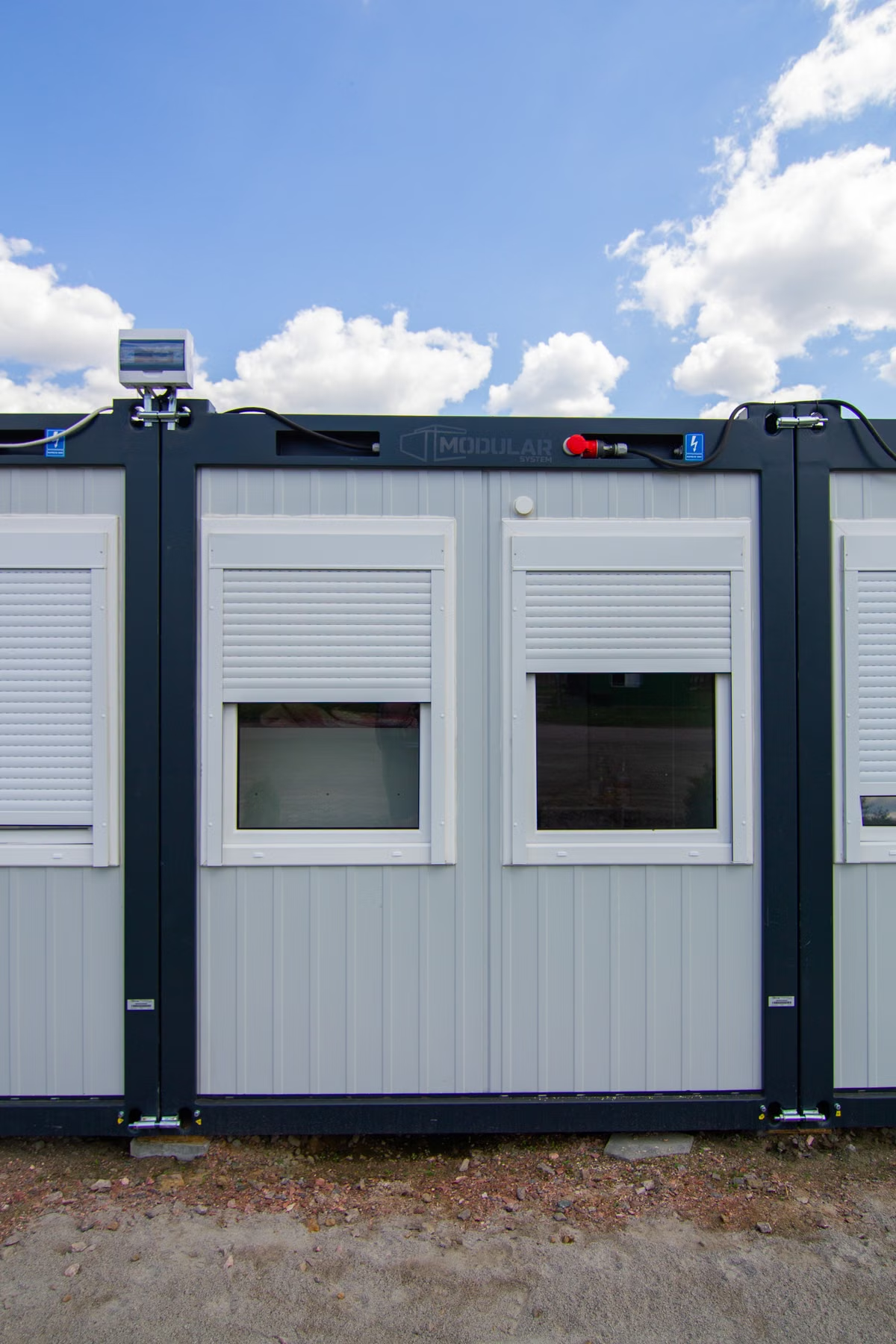 | |
| Illustrative stock image — not a depiction of any specific builder's product. | |
| Classification | Secondary dwelling, subordinate to a dwelling on the same lot[1] |
|---|---|
| Who may live there | Anyone, since 26 September 2022[1] |
| Building approval | Always required for a new secondary dwelling[1] |
| Size limit | Set by each council's planning scheme[2] |
| Ipswich example | 60–120 m² depending on lot size, from 1 July 2025[3] |
In Queensland a fixed tiny home is normally a secondary dwelling, which since 26 September 2022 can be rented to anyone, and every new secondary dwelling needs building approval.[1] There is no statewide size cap: each council sets its own, and Ipswich, for example, allows 60–120 m² depending on lot size and from 1 July 2025 no longer requires planning approval in most cases.[2][3]
Two approvals, set at different levels §
Every new secondary dwelling needs building approval.[1] Whether it also needs development (planning) approval depends on the council's planning scheme, and the state advises checking with the council before building.[2]
Some councils have removed the planning step in most cases. Ipswich, for example, removed the requirement for planning approval for most secondary dwellings and dual occupancies from 1 July 2025, under the Ipswich City Plan 2025. Building and plumbing approvals are still required there.[3]
Size limits vary by council §
There is no single statewide size cap. Ipswich allows secondary dwellings of 60 m² to 120 m², depending on lot size.[3] Brisbane City Council's Major amendment package L ties the size limit to the size of the site and limits a secondary dwelling to one storey, or two where it is attached to a two-storey main house.[4] Check Brisbane City Plan online for the figure that applies to a particular lot. For other councils, the limit is in the local planning scheme.[2]
For comparison, see NSW and Victoria, where the fast-track and permit-free pathways apply up to 60 m².
Occupancy §
Since 26 September 2022, a Queensland secondary dwelling can be rented to anyone, whether or not they are related to the people in the main house.[1] Turning an existing secondary dwelling into a rental can, however, trigger a new building application with additional fire safety and sound transmission requirements.[2]
Tiny homes on wheels §
No statewide exemption for living in a tiny home on wheels was located for this guide; councils regulate it through their local laws. Ipswich is one example: living in a caravan or other temporary structure on private land needs a temporary home permit. The permit is generally limited to 12 months with a possible six-month extension, mainly while a permanent home is being built. Permanent living in temporary accommodation is only permitted in a caravan park.[5]
Sequence for a Queensland project §
- Identify your council and find its secondary dwelling size limit in the planning scheme.[2]
- Ask the council whether the proposal needs development approval or can proceed to building approval only.[2]
- Ask what council charges apply to a secondary dwelling before signing anything.
- Check zoning and overlays, particularly on rural land.
- Then compare designs and builders.
What is not covered here §
This page does not cover the size limits in every Queensland council's planning scheme, council infrastructure charges and their amounts, rules for rural land under regional plans, or the local laws on tiny homes on wheels outside the Ipswich example. Where this page gives a council example, it describes that council only. Confirm the position for your block with your council or a private building certifier.
Related guides §
- Tiny home rules by state
- Granny flat rules in Queensland
- Tiny house on wheels versus fixed
- DA fees and developer contributions
Sent to info@modularlivingaustralia.com.au and handled by a person. See Privacy.
References §
- Queensland Government — Planning Queensland, Changes to secondary dwellings — Page updated 21 July 2026. A secondary dwelling is used in conjunction with, and subordinate to, another dwelling on the same lot. From 26 September 2022 the restriction on how members of a household live together was removed, so a secondary dwelling can be rented to anyone regardless of whether they are related to the occupants of the primary dwelling. Any new secondary dwelling still requires building approval, and councils have different rules on what is possible on a property. planning.qld.gov.au/planning-issues-and-interests/changes-to-secondary-dwellings
- Queensland Government — Planning Queensland, Secondary dwellings providing housing solutions — Page updated 21 July 2026. Advises speaking with the local council to find out whether development approval is needed before building a new secondary dwelling; any new secondary dwelling requires building approval; there is no change to the fire safety or building framework; and changing how an existing secondary dwelling is used, such as renting it out, may trigger a building application with additional fire and sound transmission requirements. planning.qld.gov.au/planning-issues-and-interests/granny-flats
- Ipswich City Council — Housing in Ipswich — States that from 1 July 2025, under the Ipswich City Plan 2025, council removed the requirement for planning approval in most instances where a secondary dwelling or dual occupancy is proposed, with secondary dwelling size allowances of 60–120 m² depending on lot size; building and plumbing approvals are still required. ipswich.qld.gov.au/Services/Planning-and-Building/Planning/Housing-in-Ipswich
- Brisbane City Council — Major amendment package L — Council page on Major amendment package L to Brisbane City Plan 2014. Describes changes supporting a limit on the size of secondary dwellings relative to the size of the site, and a one-storey secondary dwelling, or two storeys where attached to a two-storey primary dwelling. brisbane.qld.gov.au/planning-building/planning-guidelines-tools/brisbane-city-plan-2014/fact-sheets/granny-flats
- Ipswich City Council — Temporary homes — States that living in a caravan, tent or other temporary structure on private land requires a temporary home permit, generally for 12 months with a possible six-month extension; permits are granted mainly while building a permanent home or in exceptional circumstances; and permanent living in temporary accommodation is only permitted in a caravan park. ipswich.qld.gov.au/Live/Issues-and-Laws/Temporary-Homes
Figures are as published by the sources above at their respective dates and are paraphrased summaries, not verbatim reproductions. Verify current pricing and rules directly with builders, lenders and planning authorities.